


CBS pulled a 60 Minutes segment about Trump-era deportations to El Salvador two hours before airtime, then aired it about a month later with only light tweaks, and still without the on-camera Trump administration interview that supposedly justified the delay. Which raises an obvious question: what exactly happened in that month? Did they uncover new facts? Win a Pulitzer? Find the Ark of the Covenant in the tape vault? Or did the segment just… sit in timeout until everyone calmed down and remembered that journalism is supposed to be a contact sport?
CBS’s line is that leadership was committed to airing the piece “as soon as it was ready.” This is a classic corporate sentence: technically meaningful, emotionally hollow, and flexible enough to fit any situation from “we missed the deadline” to “we blinked.” Because the story was ready. It had been approved, promoted, and slotted. Then, poof, it vanished. And if you’re thinking, “Maybe it was missing essential reporting,” note what happened when it finally aired: it still didn’t include that coveted on-camera administration sit-down. Instead, the broadcast added a disclaimer that officials declined interview requests and included written statements from the White House and DHS. So, the “we need them on camera” rationale aged like a banana in a hot car.
This is the part that should make your inner cynic stand up and start slow-clapping: the delay effectively tested whether an administration can control coverage simply by refusing to participate. Inside CBS, correspondent Sharyn Alfonsi reportedly argued that treating non-participation as a reason to spike a story hands the government a convenient “off switch” for reporting it doesn’t like. Mary Geddry also noted this in her newsletter piece published on December 23, “At every step, the administration sought to control the narrative while obscuring the truth.” And if that becomes precedent, congratulations, we’ve invented Journalism-as-RSVP. You want accountability? Great, please confirm attendance. You want investigations? Sure, once the subject agrees to be investigated. You want hard-hitting reporting? Absolutely, pending approval from the people being hard-hit. At that point you’re not running a newsroom. You’re running a concierge desk for the rich and powerful.
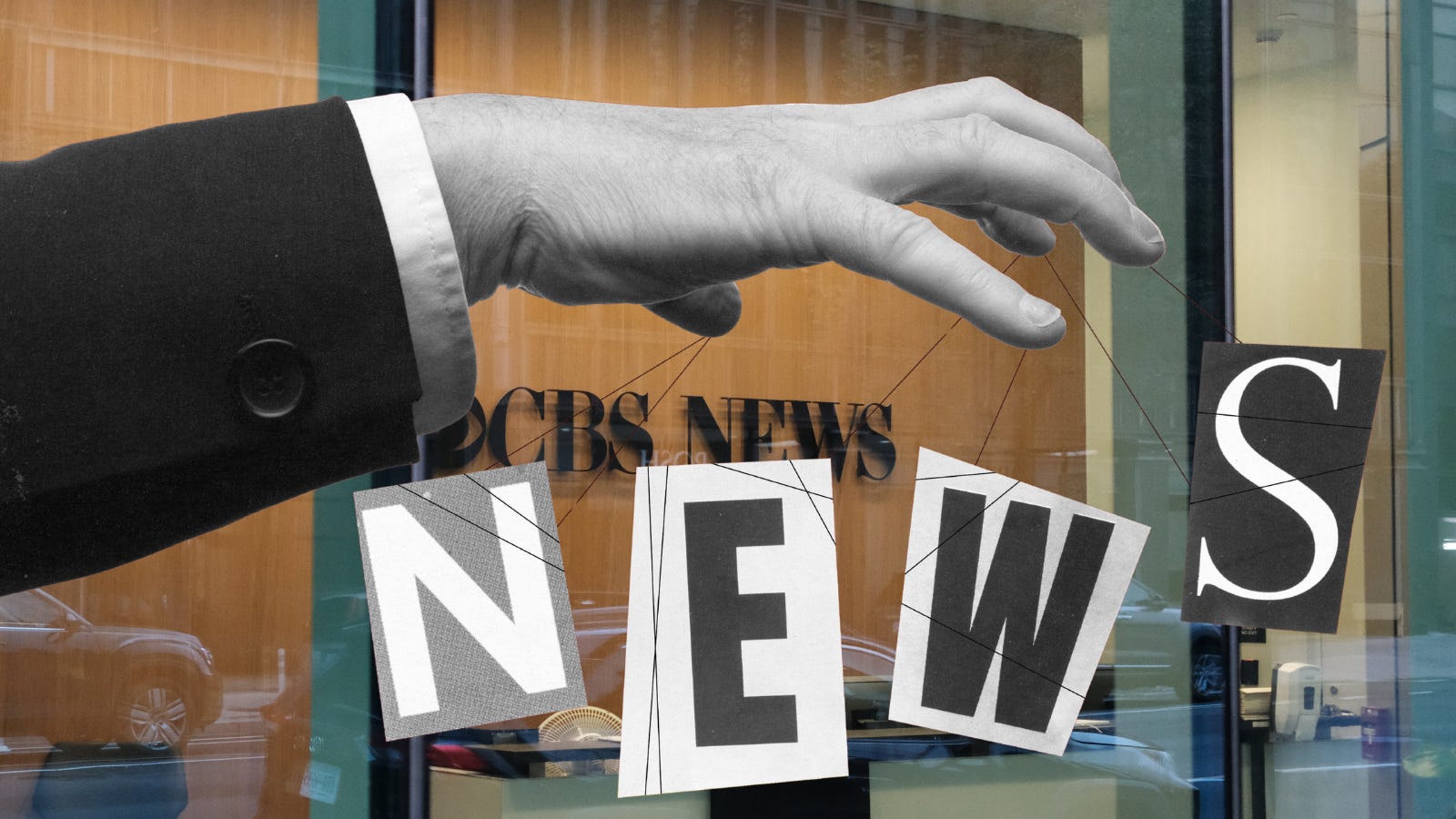
The segment focused on deportees sent to El Salvador’s CECOT mega-prison, a facility infamous enough that it basically has its own aura of menace. And the human-rights context is grim: a major Human Rights Watch report, done jointly with Cristosal, documented allegations of torture and other serious abuses against Venezuelans held in CECOT, along with incommunicado detention and conditions HRW says violate the U.N.’s “Mandela Rules.”
So no, this isn’t a “both sides had strong points” situation. This is a “people say they were abused in a notorious prison after being removed by the U.S.” situation. That’s the kind of allegation that journalism exists for, especially when the people who can clarify facts have incentives not to.
According to reporting, when it aired in January it included: a refreshed framing that referenced more recent events, including a January 3 raid that captured Venezuela’s Nicolás Maduro, per The Associated Press’ account of the broadcast changes, additional government responses and disclosures, and some extra context, including photos of tattoos worn by two interviewees, which became part of the post-pull editorial sparring. All of that is fine, more context is usually good. But none of it answers the central embarrassment: it ultimately aired without the very ingredient that allegedly made it “not ready.”
Which makes the month-long delay feel less like reporting and more like… reputational risk management. Like someone asked, “What if this makes important people mad?” and the whole building went quiet in the way that means yes, that’s the point, but also yikes. Also, a version of the original segment became available in Canada after it was inadvertently provided to a network that carries the program there, meaning people could compare what got pulled with what eventually aired. This is the media equivalent of trying to discreetly leave a party and then being spotted on someone’s Instagram Story walking out with a full plate of shrimp. Once the story was out in the wild, delaying it didn’t prevent controversy. It just created a second controversy: the optics of hesitation.
The whole episode has been covered in the context of CBS’s recent leadership and corporate entanglements, like the reported purchase of Weiss’s opinion outlet by the incoming Paramount/Skydance leadership, and broader tensions between CBS and Trump world. The Washington Post also reported that the White House press secretary conveyed a threat of legal action if a separate Trump interview wasn’t aired in full, CBS then aired it unedited. Put all of that together and you get the vibe nobody wants: a major newsroom behaving like it’s negotiating with a political apparatus the way you negotiate with a cable company. “If we just give them this one thing, maybe the phone calls stop.” Spoiler: the phone calls do not stop.
Everyone’s going to argue about whether the segment was fair, complete, sufficiently skeptical of sources, yada yada. Those are normal conversations. That’s journalism. But the bigger issue is structural: if refusing to engage can stall or soften coverage, then every powerful actor learns the same tactic, don’t answer questions, don’t do interviews, don’t provide records, then complain you weren’t included.
It’s like setting your neighbor’s house on fire, refusing to talk to the fire department, and then insisting the news story is unfair because they didn’t quote you saying, “I would never.” As we continue to embark on this arduous journey in the Trump Era of media, we need to treat official silence like what it is, information. If an administration won’t go on camera, say so. If it won’t release records, say so. If it won’t answer basic questions about where people are being sent and under what standards, say so louder. And then air the story anyway. Because if a show like 60 Minutes can be delayed by the absence of a willing government spokesperson, then what we really have isn’t a news outlet, it’s a scheduling conflict with theme music.
And honestly, that’s not just bad television. That’s letting power write the terms of its own accountability, one declined interview at a time. While I sit in my cozy coastal home, actively having to avoid pulling my hair out as I read and watch today’s news, I find it urgent to make this promise to myself and our readers: We will always give you timely, accurate, and uncensored reports of what we hear and see, because if we can’t be honest about what we witness in our country today, no progress towards a better future can ever be made. As Martin Luther King JR. once said, “A time comes when silence is betrayal.”
Am wondering why as a subscriber to Mary Geddrey, I am automatically receiving pieces from Shanley Hurt? Thanks
Shanley I love you.!! You put out a post I needed to hear a couple of days ago . I asked her how we can help the cult members. She said she’d look into it. Mary’s post was the answer.